1. Understand the structural role
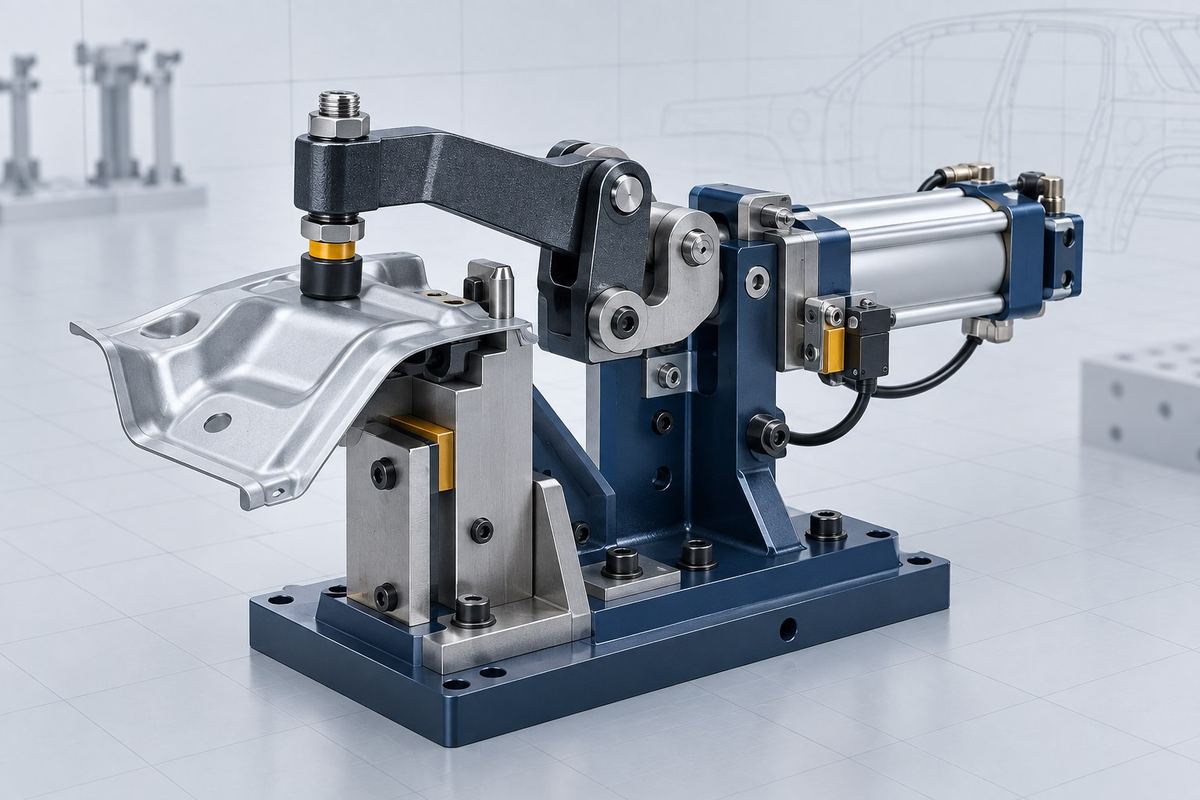
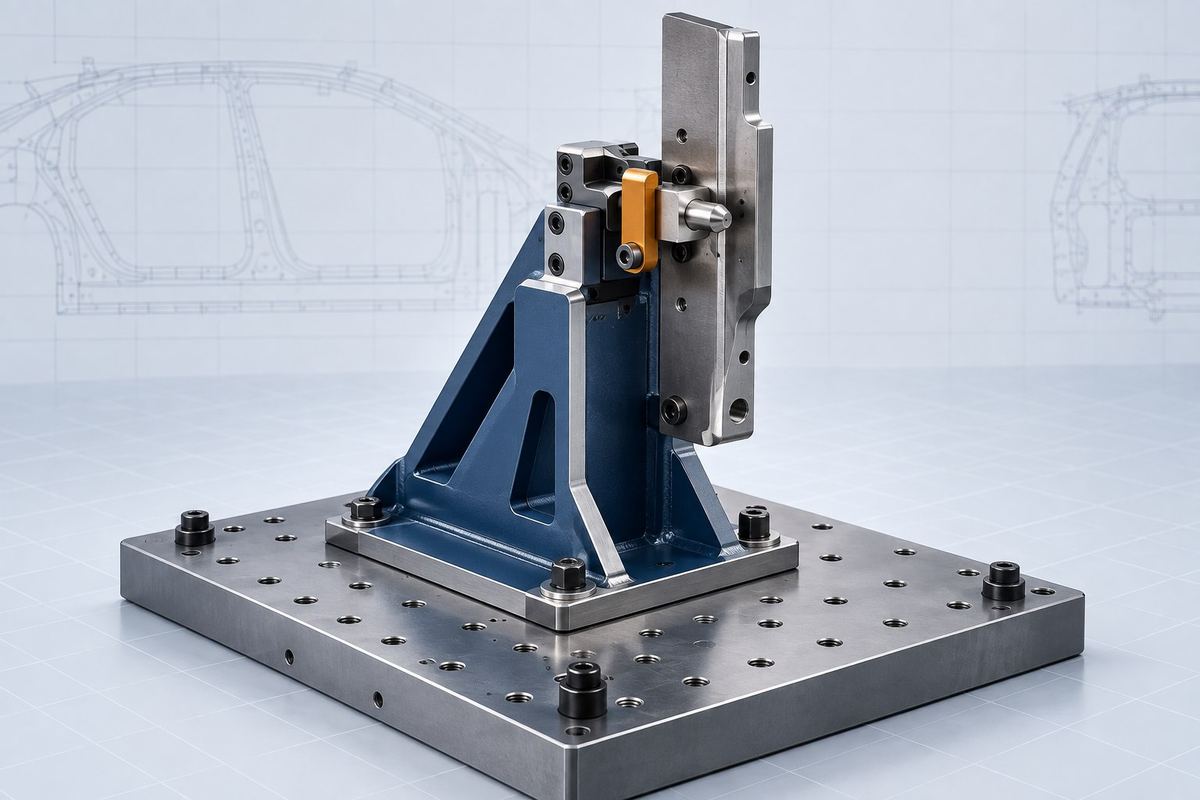
The riser carries the unit and transfers its operating loads to the base plate. Height is only one requirement; the designer must also consider bending, torsion, joint rigidity and the effect of repeated clamping or process forces.
2. Establish clean interfaces
Define the base interface, blade or unit interface, locating features, fastener pattern and any required shim direction. Critical faces should be easy to manufacture and measure. Avoid ambiguous interfaces that depend on uncontrolled welded surfaces.
3. Choose a manufacturable construction
Risers may be machined, fabricated or assembled from standard sections depending on size, load and company standards. Use practical plate thicknesses, reachable welds, sensible radii and enough tool access for machining and assembly.
4. Provide adjustment and service access
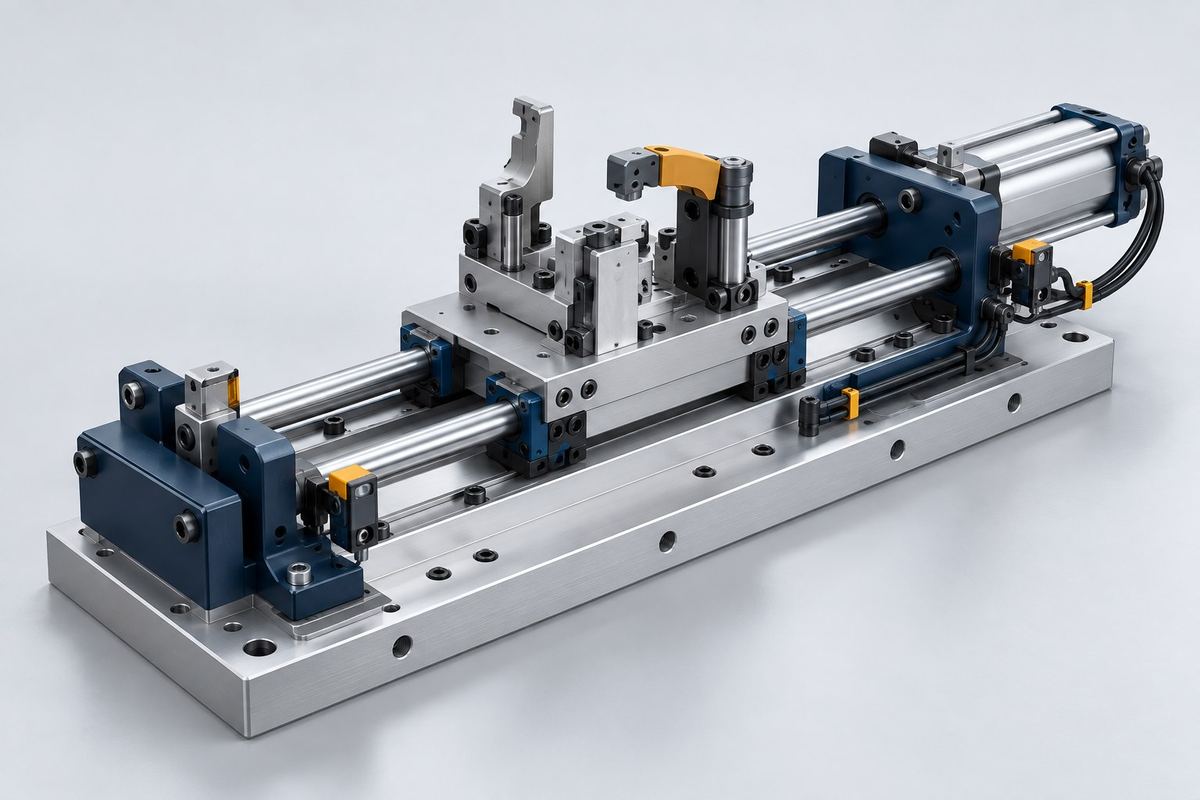
Plan shim packs and slots only where adjustment is required. Confirm that bolts can be tightened, sensors can be replaced and hoses can be routed without dismantling unrelated units. Serviceability is a design requirement, not a late correction.
5. Review before drawing release
Check stiffness, load path, nearby motion envelopes, weld and machining access, datum transfer, fastener engagement and material call-outs. The drawing should identify critical faces, tolerances, surface finish and interface dimensions without duplicating or conflicting requirements.