
ROS 2 Foundations
Nodes, topics, services, actions, messages, packages and the structure of a robot application.
Understand robot communication, models, motion and virtual validation, then connect those concepts to the M CAD Dexter training platform.
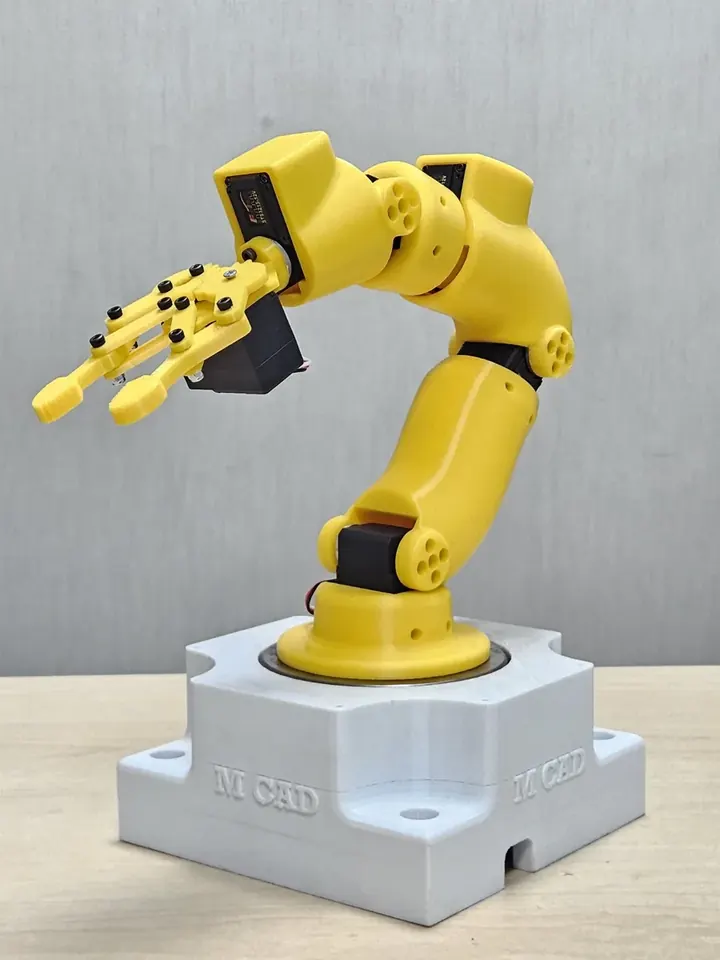
The program focuses on understanding how robotic systems communicate, move and behave in simulation.
Nodes, topics, services, actions, messages, packages and the structure of a robot application.
Coordinate frames, links, joints, URDF concepts and visualising a robot model.
Commanding mobile and articulated robots in a virtual environment with observable feedback.
Connect simulation state, control logic and validation evidence into a repeatable engineering process.
Dexter gives learners a visible reference for links, joints, coordinate frames, commanded motion and the difference between simulated behaviour and physical response.
Hardware demonstrations depend on batch scope, lab availability and the current platform configuration.
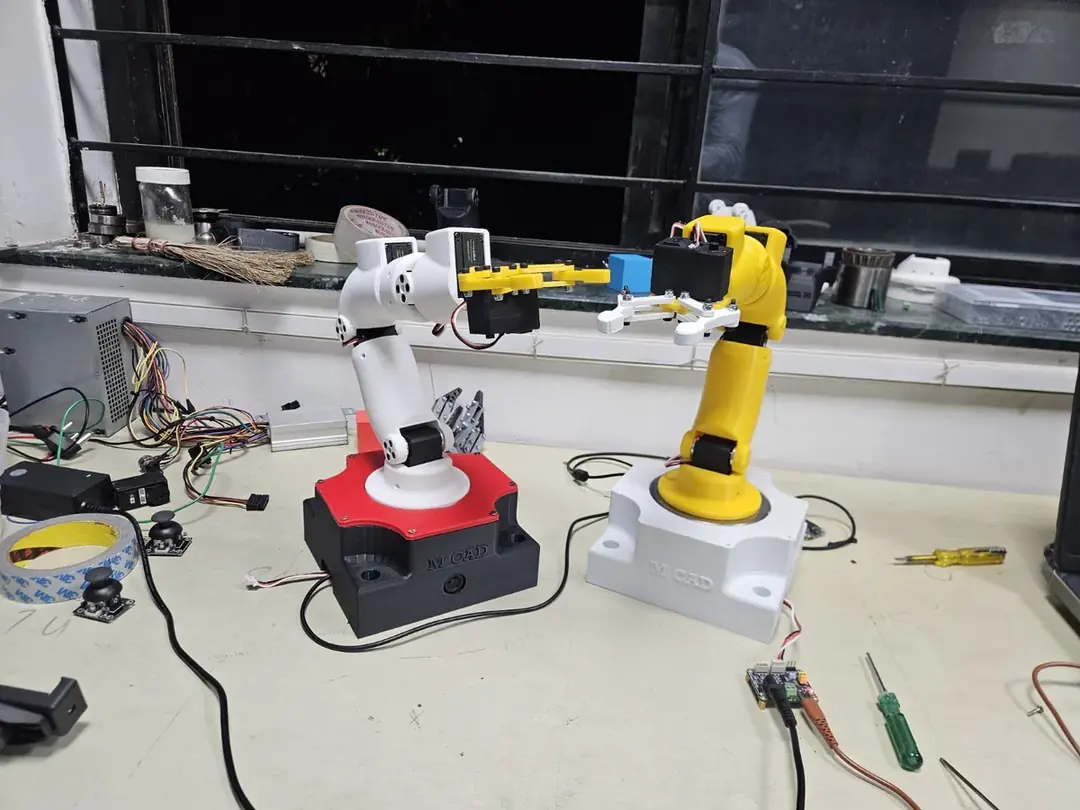
Learners build a strong virtual foundation and understand the interfaces required for later hardware integration. Physical deployment additionally requires robot-specific calibration, safety engineering, networking, drivers and commissioning.
Tell us whether you are a student, working engineer or institutional team so we can discuss the appropriate starting point.