
Suitable learner profiles
- Mechanical, automobile and production engineering graduates
- CATIA or NX users moving into automotive plastic design
- Freshers targeting product and trim-design roles
- Working designers who need stronger plastic DFM knowledge
Develop automotive trim components using practical plastic-design and manufacturability principles.
Use these details to compare the program with your current level and target role before enrolling.
Role names and eligibility vary by employer, vacancy and prior experience.
The sequence builds from essential concepts toward an integrated project and review.
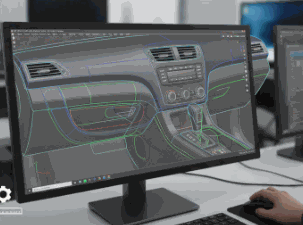
You learn Class-A to Class-B and Class-C surface creation, closed-volume modelling, tooling direction and draft analysis, B-side engineering features such as dog houses, ribs, screw bosses, heat stakes, locators, snap fits, master sections, and DFM checks.
Training is primarily conducted in CATIA V5 Generative Shape Design (GSD) and Part Design, matching the workflow used by automotive Tier-1 suppliers and OEM interior teams.
Learners practice on realistic automotive interior trims such as door trims, consoles, pillars, instrument panel components, and attachment features based on master sections.
Mechanical and Automobile graduates or CAD engineers with basic CATIA V5 surfacing knowledge who want to build a specialized career in automotive interior and exterior plastic product design.
Request the current syllabus, batch schedule and demonstration availability.